
Why Affordable Brands Are Trending Again: Celeb Moments, Fast Styling, and AI-Powered Discovery
Why mall brands are back: celeb moments, AI discovery, and easy budget outfits with jewelry-forward styling.
Affordable fashion is having a real moment again, and it is not just because shoppers are budgeting more carefully. A new wave of value-driven shopping, celebrity styling choices, and AI-powered product discovery has made mall brands feel newly relevant, not merely economical. When a star swaps into a $49 tee on live TV, or a recommendation engine surfaces a better-fit crop top in seconds, the old stigma around mall brands starts to crack. The result is a trend resurgence that is less about “cheap” and more about fast, flexible, and surprisingly current styling.
This guide breaks down why brands like Pacsun are back in the conversation, how celebrity influence is fueling the shift, and how AI discovery is helping shoppers find better outfits faster. We will also get practical about building mix-and-match capsules that look polished without blowing your budget. If your goal is to shop smarter, create jewelry-forward looks, and feel more confident about fit and styling, this is your roadmap.
Pro Tip: The new affordable fashion playbook is not about buying more. It is about buying pieces with enough visual mileage to style three to five different ways, then letting accessories and fit do the rest.
1. Why mall brands are trending again
Celebrity moments make “basic” feel aspirational
Celebrity styling has always influenced retail, but today the effect is more immediate and more measurable. When Connor Storrie wore a Pacsun cropped tee during Saturday Night Live, the story was not just about a T-shirt. It was about contrast: high-glam celebrity context paired with an accessible mall-brand piece, creating a look that felt both attainable and culturally current. That kind of moment tells shoppers that affordable fashion is no longer a fallback; it is part of the style conversation.
These public swaps matter because they remove the old assumption that only luxury labels can signal taste. A $49 tee can look fashion-forward when it is cropped, styled well, and worn by someone already in the celebrity spotlight. In practice, this is why celebrity durability still matters in fashion commerce: recognizable figures make styles feel trusted, visible, and worth copying. The message is clear—if the silhouette reads well, the price tag becomes secondary.
Trend cycles are moving faster than ever
Fashion is in a high-speed remix era. Silhouettes move from runway to social media to mall racks at an accelerated pace, which means affordable brands can capture trends while they are still hot. That gives them an advantage over slow luxury drops, especially for shoppers who want current outfits for weekends, concerts, date nights, or casual office days. The faster the cycle, the less time there is for the old “mall brand = outdated” narrative to stick.
This speed also helps explain why runway-to-real-life capsule planning matters now. If you can identify the core shapes—cropped tees, wide-leg denim, boxy jackets, sporty skirts, silver jewelry—you can build outfits that feel relevant without chasing every microtrend. Affordable brands are useful because they let you participate in the moment without overcommitting financially.
Buyers want style certainty, not just price relief
The renewed interest in mall brands is not only about affordability; it is about reduced shopping friction. Shoppers are overwhelmed by endless options, inconsistent sizing, and uncertain styling outcomes. Brands that feel familiar can lower the mental load because buyers already know the basics: how a tee might fit, whether denim runs roomy, or which categories are reliable for layering. That familiarity becomes a form of trust.
For shoppers navigating bigger decisions, this is similar to how consumers use comparison frameworks elsewhere, like discount-brand analysis or even warranty and support guides before buying electronics. The pattern is the same: confidence comes from knowing what to expect. In fashion, familiarity plus strong styling is often more valuable than novelty alone.
2. Celebrity influence is rewriting the value equation
One outfit can reset a brand’s image
A celebrity wearing an affordable brand does more than generate clicks; it can reframe the brand as style-relevant. When a public figure moves from designer looks into a mall-brand top for a sketch, a street-style shot, or a candid appearance, the item suddenly appears versatile. Shoppers do not just see a shirt. They see styling potential, and that is a huge commercial unlock for brands positioned in the mid- and lower-price tiers.
This is why “celebrity influence” still drives traffic across fashion categories. A single image can validate a category that shoppers had mentally filed away as basic. If the styling is sharp, the item can become a template for how to wear affordable pieces in a way that feels intentional. That is especially powerful in jewelry-forward outfits, where the clothes can stay simple while accessories do the heavy lifting.
The high-low mix is now the style standard
Today’s most wearable outfits often combine one accessible piece with one elevated detail. Think Pacsun denim with a sculptural ring, a mall-brand cropped tee with a vintage watch, or a basic mini dress paired with layered silver chains. This high-low formula makes affordable fashion feel curated instead of generic. It also helps shoppers stretch their wardrobe by making one budget item work alongside items they already own.
For an easy styling reference, consider how people assemble looks the way they build weekend plans or travel kits: start with the functional base and then add the signature detail. Guides like flash-deal roundups and last-chance savings alerts train shoppers to move quickly when value appears. Fashion works the same way—if you know your formula, you can recognize a great buy fast.
Public moments create “shop-the-look” behavior
Celebrity styling also encourages immediate action. If a star appears in a specific silhouette, shoppers begin searching for the closest match, often within hours. That kind of behavior rewards brands with strong visual product pages, clear category naming, and easy search filters. The mall-brand renaissance is partly a discovery story: when shoppers can find the look quickly, they are more likely to buy it.
This is where fashion commerce overlaps with media and content strategy. Just as readers respond to timely packaging in other categories, they respond to outfits that feel current and shoppable. See how merchandise culture and movie-style marketing timing both rely on moment-driven storytelling. Fashion is no different: timing can turn an ordinary item into a must-have.
3. AI discovery is making affordable brands easier to shop
Recommendation engines reduce the overwhelm
One of the biggest reasons affordable fashion is trending again is that AI makes it easier to find the right pieces inside huge product catalogs. Instead of scrolling through hundreds of nearly identical tops, shoppers are increasingly guided toward curated recommendations, style bundles, and product rankings tailored to their preferences. That is a major shift for mall brands, which often have depth but not always the best on-site navigation.
Recent retail reporting on Revolve Group’s AI investments shows how much the industry is leaning into recommendation systems, styling advice, and customer service tools as a growth lever. The lesson for shoppers is simple: AI can help translate a massive inventory into a more personal edit. Similar logic appears in other categories too, like on-prem personalization and insights chatbots that surface the most relevant answer faster.
AI makes styling more actionable, not just searchable
Good AI discovery does more than show you products. It helps you understand how to wear them together. That means pairing suggestions, color harmony cues, and recommendations based on your past browsing can function almost like a virtual stylist. For budget shoppers, this is especially useful because it reduces the risk of buying isolated items that do not complete an outfit.
Think of AI styling as a shortcut to better curation. If you are trying to build a wardrobe around affordable brands, you want software that can connect a pair of trousers to three tops, two shoe options, and a necklace stack. The same principle powers other smart shopping experiences, from AI transparency reporting to consumer-facing product guidance that builds trust through explainability. In fashion, explainability means: why this piece, why this fit, and what it pairs with.
Personalization helps mall brands compete with luxury
Luxury brands have long benefited from strong brand stories and premium merchandising, but AI can narrow the gap for affordable labels by making the shopping experience feel customized. When a user sees only the silhouettes, colors, and price points they actually like, the brand feels more premium—even if the price remains accessible. That perception matters because style is partly about presentation, not just cost.
For shoppers, this is a smart way to think about discovery: let the algorithm do the filtering, then do your own final editing. It is the same logic used in smarter buying guides like human-led content strategy and trust metrics, where systems can support decision-making but human judgment still closes the loop. In style shopping, the best outcomes come from combining machine efficiency with personal taste.
4. How to build a budget-friendly, jewelry-forward outfit
Start with a low-cost base that fits cleanly
The easiest way to make affordable fashion look current is to anchor the outfit with a clean base: a fitted tee, a cropped button-up, straight-leg jeans, a mini skirt, or a matching set. The fit needs to be intentional. A $20 top that skims the body properly will always look more expensive than a cheap piece that pulls, puckers, or collapses. When shopping mall brands, prioritize neckline shape, shoulder structure, and hem length before worrying about trend details.
From there, use a simple rule: if the base is basic, the jewelry should be expressive. A plain white tee becomes outfit-worthy with a chunky pendant, stacked rings, and hoop earrings. A slim tank can look editorial with a long chain and a cuff bracelet. If you want the full styling philosophy behind this approach, explore minimal platinum jewelry design and the way a single strong finish can elevate a look.
Use accessories to create the expensive-looking effect
Jewelry is the fastest way to make affordable pieces look styled rather than random. Layered necklaces, mixed-metal bracelets, and one sculptural ring can add structure to a mall-brand outfit instantly. That matters because jewelry creates visual balance: if the clothes are simple, the accessories add narrative; if the clothes are busy, the jewelry can sharpen the look instead of competing with it. Shoppers often underestimate how much this changes perceived value.
A good starting formula is one statement piece plus two supporting pieces. For example, a cropped Pacsun tee works well with a thick chain, small hoops, and a slim bangle. If you want to go more feminine, pair a fitted top with a pendant necklace and a ring stack. For more inspiration on building accessory-heavy outfits, see everyday jewelry value trends and simple platinum design principles.
Repeat items, vary the finish
The smartest budget wardrobes use repetition strategically. You can wear the same tee, denim, or skirt multiple times if you change the shoes, bag, jewelry, and outer layer. That is the essence of mix-and-match dressing: the base items do not need to be endlessly different, only versatile enough to support different “moods.” One week the outfit reads sporty; the next week it reads polished because the accessories and outerwear changed.
To see how this philosophy translates into a complete wardrobe system, study a capsule built for multiple contexts, such as an effortless capsule for work and weekends. The principle is identical for affordable fashion: buy pieces that work in more than one outfit lane. That is how shoppers avoid closet clutter while still staying on trend.
5. Mall brands that still deserve a spot in your rotation
Pacsun as a trend bridge
Pacsun has become a useful case study in the mall-brand comeback because it sits at the intersection of youth culture, streetwear, and casual trend translation. Its strength is not that it replaces designer fashion; it is that it can echo current silhouettes at a lower price point and in a more wearable format. That makes it ideal for shoppers who want current looks without the commitment of high-end pieces.
When a celebrity wears a Pacsun top or jacket, it reinforces the brand’s role as a bridge between aspiration and accessibility. The consumer takeaway is not to copy the celebrity exactly, but to extract the formula: cropped top, roomy pants, silver jewelry, and clean footwear. Once you understand the formula, you can shop similar categories across different mall brands and still preserve the overall vibe.
What to look for in any affordable label
Not all affordable brands are equally useful. The ones worth revisiting tend to do three things well: they offer current silhouettes, consistent fit in core categories, and enough neutral basics to support layering. When shopping, look for structured tees, elevated knits, relaxed denim, fitted tanks, and simple skirts. These pieces have the most styling mileage and are easiest to upgrade with accessories.
It also helps to think like a value shopper in any category. Just as shoppers compare shoe discount patterns or use seasonal savings calendars, fashion buyers should pay attention to what affordable brands do best at specific times of year. Denim and basics often shine year-round, while trend-forward pieces can be strongest during launch windows and seasonal resets.
When to skip a trend and when to lean in
Affordable fashion works best when it translates a trend rather than chasing the most extreme version of it. If a silhouette feels too experimental, it may be more cost-effective to wait for the simplified version that will be easier to style repeatedly. This is especially true if you prefer jewelry-forward outfits, because accessories already add enough visual interest. You do not need an overly complicated garment and heavy accessories at the same time.
A useful decision rule: buy the trend if you can name at least three existing items in your closet that pair with it. If not, hold off. This mirrors smart buying behavior in other fast-moving areas, such as short-lived deal alerts and under-the-radar savings, where quick purchase only makes sense if the item truly fits a broader plan.
6. A practical style framework for affordable outfits
The 3-part formula: base, texture, shine
If you want affordable outfits to feel polished every time, use a simple three-part formula: base, texture, shine. The base is your clothing foundation, like denim, a tee, or a skirt. Texture comes from layering, such as denim jackets, ribbed knits, or structured bags. Shine is the jewelry or metallic accent that makes the outfit feel intentional and camera-ready. This formula works especially well for styling on a budget because each element can be sourced at different price levels without looking mismatched.
The same logic shows up in other practical buying guides, from deal-driven shopping to bundle-based value picks. The structure matters more than the label. In fashion, that means a great base can carry the whole look if the finishing pieces are chosen carefully.
Keep color stories tight
Affordable outfits look better when the color palette is controlled. Monochrome, tonal beige, black-and-silver, or denim-on-denim all create a more expensive impression than a random mix of unrelated colors. This is one reason mall brands are making a comeback: they often stock enough basics to let shoppers build cohesive outfits without needing a stylist. If your wardrobe has a few strong color families, you can repeat pieces more easily and still look intentional.
For a more editorial feel, add one contrast point only—like a bright bag, a statement necklace, or a metallic shoe. That keeps the outfit from feeling flat while preserving the budget-friendly foundation. Think of it as the clothing version of smart editing: enough variation to feel fresh, not so much that the message gets lost.
Buy for versatility, not novelty
The best budget purchases are the ones that solve multiple outfit problems. A cropped tee that works with jeans, a skirt, and under a blazer is better than a “statement” top you wear once. A pair of earrings that can read casual by day and polished by night offers far more value than trend-only accessories. This is how affordable fashion becomes a wardrobe strategy instead of a spontaneous haul.
If you need a practical benchmark, compare your shopping to how consumers evaluate recurring utility in other categories. Guides like fine-print deal analysis and disappearing deal alerts show the importance of checking what a purchase actually delivers over time. In fashion, that means asking: will I wear this five times, five ways, or only once for a photo?
7. The future of affordable fashion is curated, not chaotic
Discovery is becoming the product
In the near future, the most competitive brands will not just sell clothes; they will sell better discovery. Shoppers want less friction, fewer mismatched options, and more confidence that the outfit in the cart can actually be worn. AI will continue to shape that experience by curating product feeds, suggesting outfit combinations, and helping shoppers compare similar items more intelligently. For mall brands, that means strong products plus strong discovery can equal a real revival.
That shift resembles the way other industries now use smarter systems to guide users toward better outcomes, from personalized analytics infrastructure to real-time notification systems. The technology is not the trend by itself; it is the tool that makes the trend easier to adopt. In fashion, easier adoption often means more sales, stronger trust, and better repeat behavior.
Trust and transparency will separate winners from clutter
As AI grows in retail, trust will matter more. Shoppers need clear sizing guidance, honest material descriptions, and styling suggestions that reflect real body types and real life. The brands that win will be the ones that help people make decisions faster without feeling manipulated. This is especially important in affordable fashion, where shoppers are more sensitive to wasted spend.
That is why strong editorial framing matters so much. It resembles the trust-building logic behind fact-based media standards and human-quality content. In both cases, the audience wants a clear reason to believe what they are being shown. Fashion platforms that explain fit, pairing, and value will stand out.
Expect more creator-led curation
Influencers and celebrity stylists will keep pushing affordable brands into the spotlight, but the bigger shift is toward curated shopping systems that make the look easy to replicate. Instead of asking shoppers to assemble a vibe from scratch, the best platforms will offer complete outfit stacks: clothes, shoes, jewelry, and a few alternate swaps. That is the practical side of fashion curation, and it is where shoppers feel the most relief.
If you like thinking in “full look” terms, explore adjacent inspiration like merchandising as a styling system or capsule styling for everyday wear. The pattern is consistent: when styling is assembled for you, the value of each individual piece rises. That is exactly why affordable brands are trending again.
8. The bottom line: affordable can still feel elevated
Affordable fashion is not back because people stopped caring about style. It is back because shoppers want style that is faster to find, easier to pair, and smarter to buy. Celebrity moments help reset the cultural narrative, while AI discovery helps shoppers locate the right items without drowning in options. Together, they make mall brands more visible, more usable, and more convincing as wardrobe staples.
The winning formula is simple: choose a clean base, add one or two expressive accessories, keep your color story tight, and buy pieces that can move across multiple outfits. If you do that, a budget-friendly look can feel current without trying too hard. That is the real comeback story—less hype, more utility, and a lot more styling power per dollar.
For shoppers who want to keep building smarter outfits, a good next step is to revisit the pieces in your closet and identify what can be re-styled with jewelry, a jacket, or a better-fitting base layer. Then use curated discovery tools and trusted fashion guides to fill the gaps rather than impulse-buying random trends. That is how affordable fashion becomes a long-term advantage, not just a short-term bargain.
Quick comparison: how to shop affordable fashion smarter
| Shopping approach | What it looks like | Pros | Risks | Best for |
|---|---|---|---|---|
| Impulse haul | Buying several trend pieces at once | Fast gratification, lots of variety | Hard to style, more returns, lower wear rate | Occasional event dressing |
| Celebrity-inspired edit | Recreating a single look with accessible substitutes | Current, visually coherent, easy to copy | Can become costume-like if copied too literally | Social outings, photos, nightlife |
| AI-curated shopping | Using recommendations and outfit pairing tools | Less overwhelm, better fit matches, smarter discovery | Depends on data quality and product accuracy | Busy shoppers, wardrobe refreshes |
| Capsule-based buying | Choosing versatile basics with accessories | High wear count, easy mix-and-match, budget-friendly | Can feel too safe without texture or shine | Everyday dressing, travel, work |
| Trend-resurgence strategy | Waiting for simplified versions of trends | More wearable, better cost-per-wear | May miss the peak trend window | Longer-term wardrobe building |
FAQ
Are mall brands actually stylish again, or just cheaper?
They are stylish again because the fashion system around them has changed. Celebrity moments make affordable pieces feel culturally relevant, and AI discovery helps shoppers find more polished combinations inside big catalogs. Price is still important, but styling, fit, and accessibility are what make the comeback feel real.
How do I make an affordable outfit look expensive?
Start with a well-fitting base in a neutral or tonal color, then add jewelry with visual weight. Clean shoes, intentional layering, and a consistent color palette do a lot of work here. A simple outfit that fits well and has one strong accessory often looks more elevated than a complicated outfit with poor proportions.
What’s the easiest way to shop mall brands without getting overwhelmed?
Use AI-powered recommendations, sort by core categories, and shop with a short checklist: fit, color, versatility, and pairability. If you cannot name at least three ways to wear the item, skip it. That rule keeps you focused on useful pieces instead of random trend clutter.
Why does celebrity influence matter so much in fashion?
Celebrity influence creates social proof. When a well-known figure wears an affordable item, it instantly signals that the piece can work in a current, desirable outfit. It also gives shoppers a concrete styling reference, which lowers the effort required to buy and wear the item.
How can I build jewelry-forward outfits on a budget?
Keep the clothing simple and let the accessories do the styling. Focus on one statement necklace, a ring stack, bold hoops, or a metallic bracelet set. Mixing one standout piece with two smaller accents usually feels more polished than wearing too many loud accessories at once.
What should I prioritize when buying affordable fashion online?
Fit consistency, fabric feel, styling flexibility, and return policy should come first. A low price is only a good deal if the piece gets worn repeatedly. Pay special attention to neckline shape, sleeve structure, and the hemline because these details determine whether the item feels modern or awkward.
Related Reading
- Why Pandora’s Lab-Grown Diamond Rollout Matters for Everyday Shoppers - See how accessible jewelry shifts the meaning of “value” in daily styling.
- From Runway to Real Life: Building an Effortless 'Sasuphi' Capsule for Work and Weekends - Learn how to turn trends into repeatable outfits.
- The Essence of Minimalism: Embracing Simple Platinum Designs - A clean jewelry lens for making outfits feel refined.
- What AI Accelerator Economics Mean for On‑Prem Personalization and Real‑Time Analytics - A useful look at why smarter personalization keeps improving discovery.
- Last-Chance Savings Alerts: The Best Deals That Disappear Within 24 Hours - Helpful if you like moving quickly when the right deal appears.
Related Topics
Maya Collins
Senior Fashion Editor & SEO Content Strategist
Senior editor and content strategist. Writing about technology, design, and the future of digital media. Follow along for deep dives into the industry's moving parts.
Up Next
More stories handpicked for you

AI Stylist: How Revolve’s Tech Investments Will Change the Way You Discover Jewelry and Outfits

How Beauty Campaigns Become Cultural Moments: Lessons from MAC vs. e.l.f. and Other Viral Plays

The Mystery of Celebrity Wardrobes: Lessons from Jill Scott's Style Journey

The Future of Fashion: How Digital Media Shapes Style Trends

Pin-Worthy Fashion: Creating Videos That Go Viral
From Our Network
Trending stories across our publication group

From Behind the Scenes to Center Stage: How Creators Can Launch Inclusive Lingerie Lines

Heritage Hype: Why Tiny Pieces of History Sell (and How to Wear the Look This Summer)
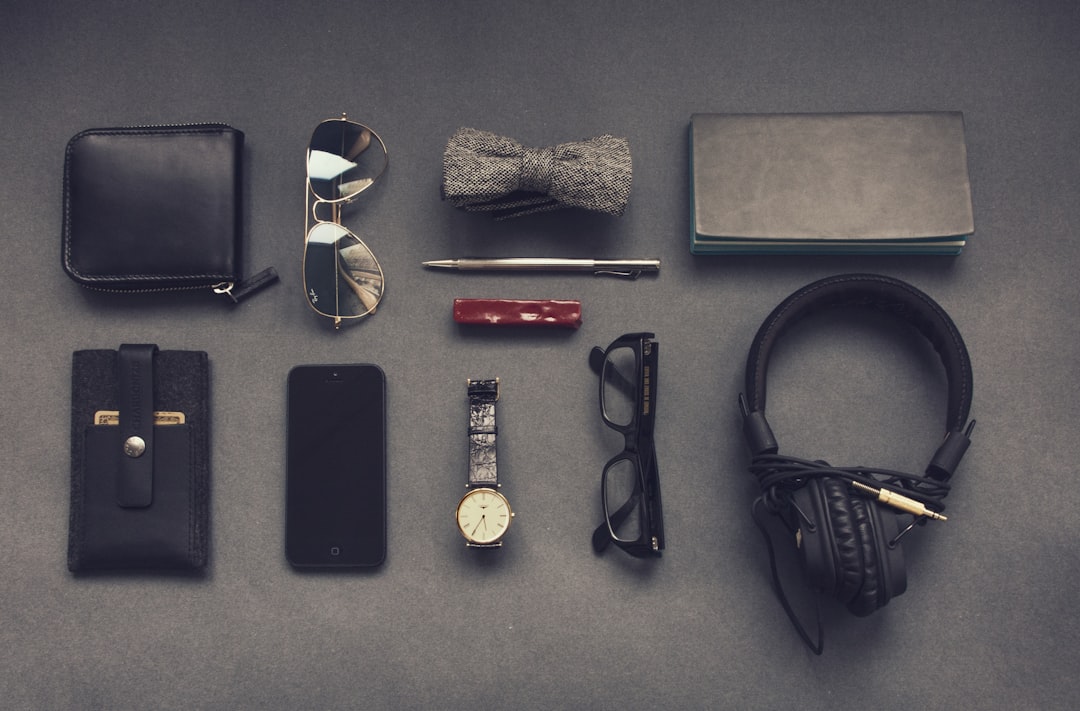
When Tech Becomes a Statement: Styling with Collectible Gadgets (Yes, Even an iPhone With Steve Jobs’ Turtleneck)

Boutique Design Secrets: What Luxury Fragrance Stores Teach Jewelry Merchandisers

Dress Like the Founder: Signature Wardrobe Staples Inspired by Emma Grede