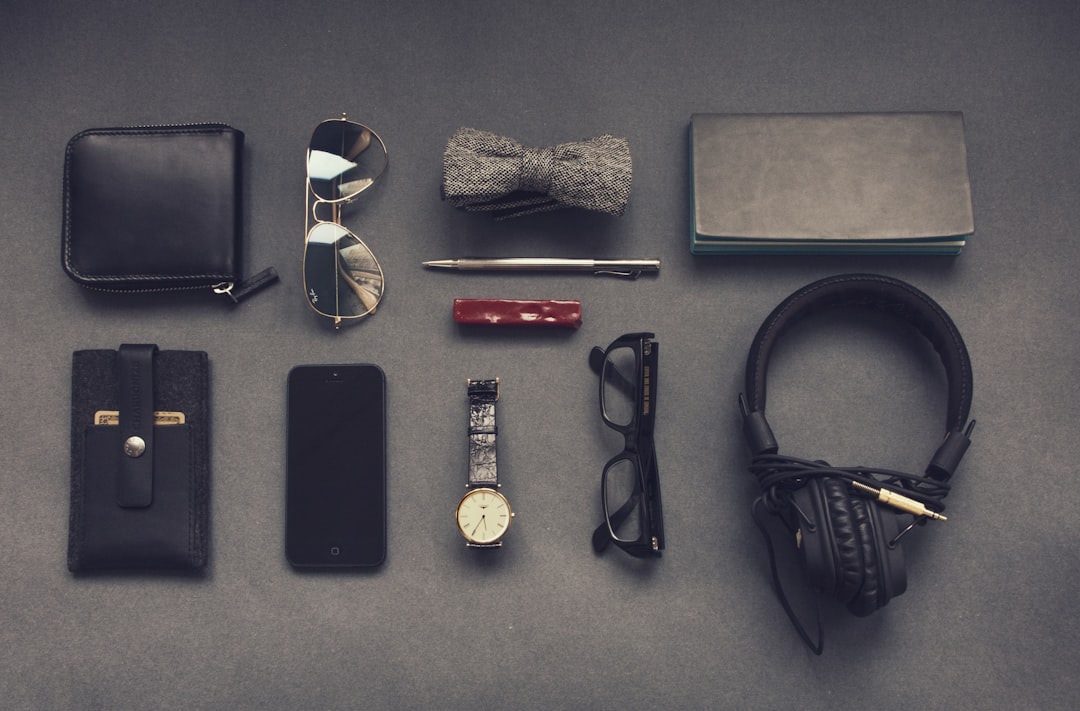
Finding your personal style does not require choosing one aesthetic and rejecting everything else. This closet-based worksheet and two-week outfit testing method helps you identify the colors, silhouettes, fabrics, proportions, and outfit formulas you already enjoy—then turn those patterns into practical style guidelines you can revisit as your life and wardrobe change.
Overview
Personal style is easier to define when you study your real wardrobe instead of trying to match yourself to a personality quiz. Inspiration can show you what looks appealing, but your closet reveals what you actually wear, tolerate, repeat, and reach for when getting dressed quickly.
The goal is not to assign yourself a permanent label such as minimalist, preppy, streetwear, or romantic. Most wardrobes are combinations. You might prefer tailored layers with relaxed denim, feminine dresses with practical shoes, or neutral basics with bold jewelry. Think of your style as a set of recurring decisions rather than a single aesthetic category.
Use this process in five stages:
- Inventory what you own without judging it.
- Record repeated visual and practical details.
- Compare the aesthetics that genuinely appeal to you.
- Test outfit formulas for two weeks.
- Turn the results into a short, usable style brief.
Before beginning, set aside clothing that is currently accessible and seasonally appropriate. You do not need to empty every storage box or buy anything new. If you are building a capsule wardrobe, the same exercise can identify which pieces deserve a place in the smaller rotation.
What to track
1. Complete a closet style worksheet
Choose 15 to 25 garments that you wear often, feel curious about, or repeatedly struggle to style. Record the following details for each item:
| Item | Record | Question to ask |
|---|---|---|
| Top, bottom, dress, or layer | Color, neckline, length, fit, fabric | What makes this easy or difficult to wear? |
| Shoes and bags | Shape, color, heel height, structure | Do these accessories support most of my outfits? |
| Frequently worn piece | Number of recent wears, outfit pairings | What role does it reliably play? |
| Unworn or rarely worn piece | Reason it stays untouched | Is the issue fit, comfort, care, color, or styling? |
Do not use “flattering” as the only measure of success. Fit should feel comfortable and functional, and style advice should support your preferences rather than impose rules about body shape. Note where a garment sits on your body, how it moves, and whether its proportions feel intentional to you. For example, you may consistently prefer a defined waist, longer layers over slim trousers, cropped jackets with wide-leg jeans, or loose pieces balanced by a closer-fitting base.
2. Find repeated style signals
Place your selected clothes together and look for patterns. Count or group what you see under these headings:
- Color: warm or cool neutrals, denim shades, muted tones, bright accents, or a repeated color combination.
- Silhouette: fitted, relaxed, oversized, straight, tapered, A-line, wide-leg, cropped, or long and fluid.
- Fabric: cotton, denim, wool, linen, leather, satin, knitwear, technical materials, or soft brushed textures.
- Detail: clean lines, pleats, buttons, visible hardware, prints, contrast stitching, embroidery, or minimal decoration.
- Styling habit: rolled sleeves, tucked shirts, layered necklaces, open jackets, statement shoes, or a preference for monochrome dressing.
Repeated signals are more useful than isolated statement pieces. If most of your clothing is neutral but you own one dramatic printed jacket, the jacket may be an experiment rather than the foundation of your personal style.
3. Compare aesthetics without forcing a label
Use this comparison table as a prompt, not a test. Circle the elements you would wear in ordinary life and cross out details that only appeal to you in photographs.
| Aesthetic direction | Common visual cues | Useful wardrobe question |
|---|---|---|
| Minimalist | Simple shapes, restrained color, few visible details | Do I enjoy repeating clean, low-maintenance outfit formulas? |
| Preppy or classic | Button-downs, loafers, tailored layers, traditional patterns | Do structured basics make me feel prepared? |
| Romantic | Soft fabrics, curved lines, delicate details, dresses or skirts | Which feminine details feel natural rather than costume-like? |
| Streetwear | Relaxed proportions, sneakers, graphic elements, utility details | Do casual volume and practical footwear fit my routine? |
| Workwear or utilitarian | Durable fabrics, pockets, chore jackets, sturdy footwear | Do function and texture matter as much as appearance? |
| Bohemian or eclectic | Print, layering, artisanal texture, varied accessories | How much visual variety can I wear comfortably? |
It is perfectly reasonable to choose one direction for your everyday base and borrow details from another. For example, a classic wardrobe can use streetwear sneakers, while a minimalist wardrobe can add romantic texture through a soft blouse or jewelry.
4. Write your outfit preferences
Complete these prompts in a notebook or copy them into a document:
- I feel most like myself when my outfit includes __________.
- I avoid wearing __________ because __________.
- The three colors I reach for most are __________.
- I prefer my clothes to feel __________: relaxed, polished, expressive, practical, soft, sharp, or another word.
- My most successful outfit formula is __________ plus __________ plus __________.
- I need my clothes to work for __________, such as commuting, office days, travel, caregiving, walking, or social events.
- I would like to wear more __________, but I need help with __________.
These answers connect appearance with lifestyle. A style direction is only useful if it works for your climate, schedule, comfort needs, dress codes, and maintenance tolerance.
Cadence and checkpoints
Run a two-week outfit test
For 14 days, photograph or briefly record each outfit before leaving home. Include ordinary looks, not only the combinations you consider successful. If you work from home or dress casually, record those outfits too; they reveal your actual priorities.
| Date | Outfit formula | Comfort 1–5 | Confidence 1–5 | Practicality 1–5 | Repeat? |
|---|---|---|---|---|---|
| Day 1 | Example: knit, wide-leg jeans, sneakers, blazer | Yes / No | |||
| Day 2 | Yes / No | ||||
| Day 3 | Yes / No | ||||
| Days 4–14 | Continue the same fields | Yes / No |
Add one short note each day: “too warm,” “liked the proportions,” “needed a better shoe,” or “felt unlike myself.” This is more actionable than a general rating alone. For outfit formulas involving useful staples, you can compare ideas in our guides to styling a blazer, wide-leg jeans, or a button-down shirt.
Use checkpoints instead of constant shopping
Review the log after seven days, but do not make major purchases yet. Look for a missing connector: perhaps your tops work, but you lack a layer; your dresses feel right, but your shoes make them impractical; or your favorite trousers need a different proportion on top. A targeted gap is more useful than a broad shopping list.
At the end of 14 days, select three successful outfit formulas and repeat each one with a small variation. This confirms whether you like the underlying pattern or only one particular combination.
How to interpret changes
Separate a true style preference from a temporary problem. If you dislike an outfit, identify the cause before rejecting its entire aesthetic.
- Fit problem: The concept works, but the rise, sleeve, hem, or shoulder does not feel right.
- Proportion problem: The pieces are individually appealing but create an unbalanced shape together. Try changing the length or volume of one item.
- Comfort problem: The fabric, waistband, shoe, temperature, or movement does not suit your day.
- Color problem: The silhouette works, but the shade is too stark, dull, or difficult to coordinate.
- Context problem: The outfit is attractive but not appropriate for your workplace, commute, weather, or activities.
- Identity problem: The look meets practical requirements but does not feel like you. Keep the useful element and replace the rest.
Next, convert repeated observations into rules you can use while dressing. For example: “I prefer relaxed bottoms with a defined or tucked top,” “I wear color most easily through accessories,” or “I need machine-washable layers for weekday outfits.” Aim for five to seven rules. A personal style brief might read:
My everyday style is relaxed and polished. I prefer warm neutrals, denim, and olive; medium-to-loose proportions; textured natural-feeling fabrics; and simple jewelry. I feel best when one piece is structured, and I need walkable shoes and low-maintenance layers.
Use that brief to evaluate new purchases. A piece does not need to match every rule, but it should solve a real wardrobe need or add a deliberate point of contrast. For foundational pieces, our wardrobe basics checklist can help turn these observations into a practical shopping plan.
When to revisit
Personal style is not a project you complete once. Revisit the worksheet monthly during an active wardrobe change, or quarterly when your routine is stable. A seasonal review is especially useful before rotating clothes; the seasonal closet audit can help you compare what you planned to wear with what you actually wore.
Repeat the full two-week test when one of these triggers appears:
- Your work, school, commute, climate, or daily responsibilities change.
- You are moving between seasons and your current clothes no longer create easy outfits.
- You have made several shopping mistakes or accumulated clothes that remain unworn.
- Your body, comfort needs, or preferred fit has changed.
- You keep saving the same outfit references but cannot recreate them from your closet.
- You want to move toward a different balance, such as more polished workwear or more relaxed streetwear.
For your next action, open your closet and choose 10 frequently worn pieces. Complete the inventory, identify three repeated style signals, and plan tomorrow’s outfit using one of them. Start the 14-day log immediately, then schedule a review date. The result should be a clearer set of choices—not a stricter label—and a wardrobe that makes more outfits possible from what you already own.